A Deployment Is Not Successful Just Because the Pipeline Is Green!
Aditya Nair
DevOps / SRE | Kubernetes, Terraform, AWS | Making deploys boring since 2019
A Deployment Is Not Successful Just Because the Pipeline Is Green!
In DevOps, it's easy to celebrate when a CI/CD pipeline completes successfully. But the real question is: Is the application healthy after deployment?
A successful deployment should mean more than just pushing code to production.
Here are 5 things every DevOps engineer should check:
1. Application Health Checks
Use readiness and liveness probes in Kubernetes to help detect unhealthy containers and manage traffic appropriately.
2. Error Rates and Latency
Monitor whether the deployment increases API failures or response times.
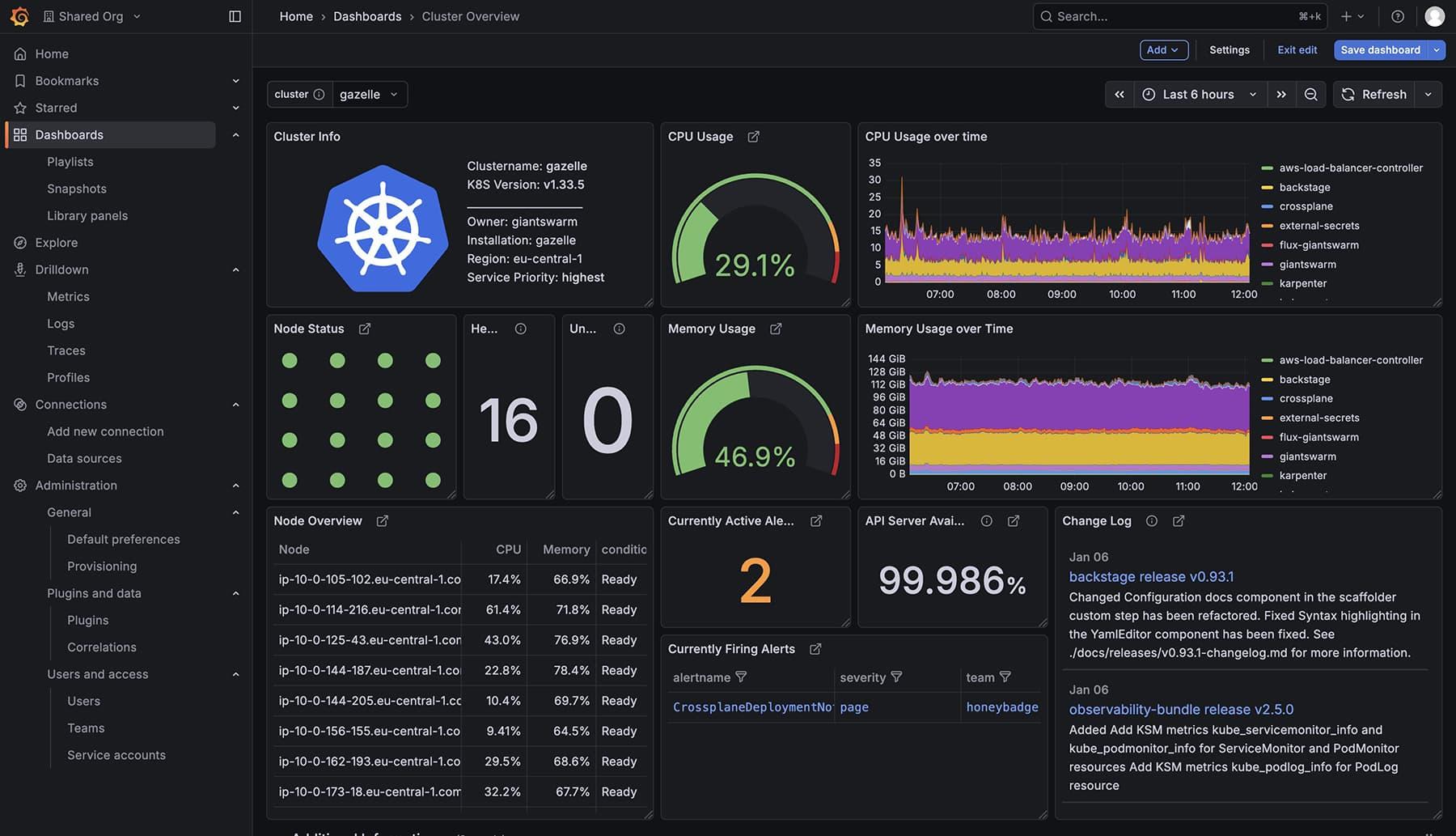
3. Resource Utilization
Check CPU and memory usage to identify resource bottlenecks or unnecessary allocations.
4. Logs and Alerts
Make sure logs provide useful context and alerts notify the team about real issues, not every minor fluctuation.
5. Rollback Strategy
Have a clear recovery plan so the team can respond quickly if a release causes problems.
One important lesson: CI/CD automates delivery, but observability helps us understand what happens after delivery.
The goal isn't simply to deploy faster. It's to deploy confidently, detect issues early, and keep systems reliable.
DevOps and SRE engineers: What do you check first when a production deployment starts behaving unexpectedly?
#DevOps #SRE #Kubernetes #CICD #CloudEngineering #Observability #SiteReliabilityEngineering #ContinuousLearning
#devops#sre#kubernetes#cicd#cloudengineering#observability#sitereliabilityengineering#continuouslearning