Vivaan Patel
Frontend Engineer | React, Next.js, TypeScript | Obsessed with fast, accessible UIs
The CSS relationship
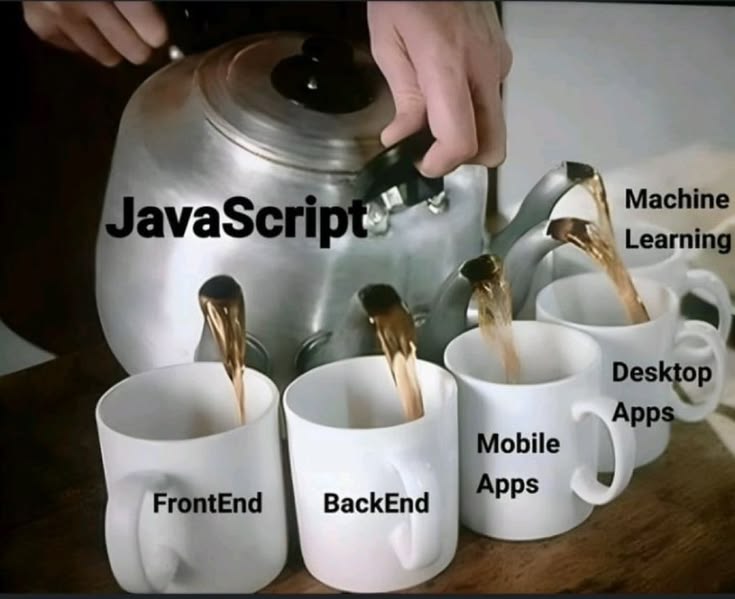
My relationship with CSS:
Me: “Just one small change.”
CSS: “Would you like to redesign the entire website instead?”
Vivaan Patel
Frontend Engineer | React, Next.js, TypeScript | Obsessed with fast, accessible UIs
The CSS relationship
My relationship with CSS:
Me: “Just one small change.”
CSS: “Would you like to redesign the entire website instead?”
Aarav Sharma
Senior Backend Engineer @ Paylane | Java, Spring Boot, Kafka | Building payment rails that don't wake you up at 3am
Every developer loves writing code until production introduces a bug that cannot be reproduced locally. 😅
That's when logging, monitoring, and understanding the system matter more than writing another line of code.
Aarav Sharma
Senior Backend Engineer @ Paylane | Java, Spring Boot, Kafka | Building payment rails that don't wake you up at 3am
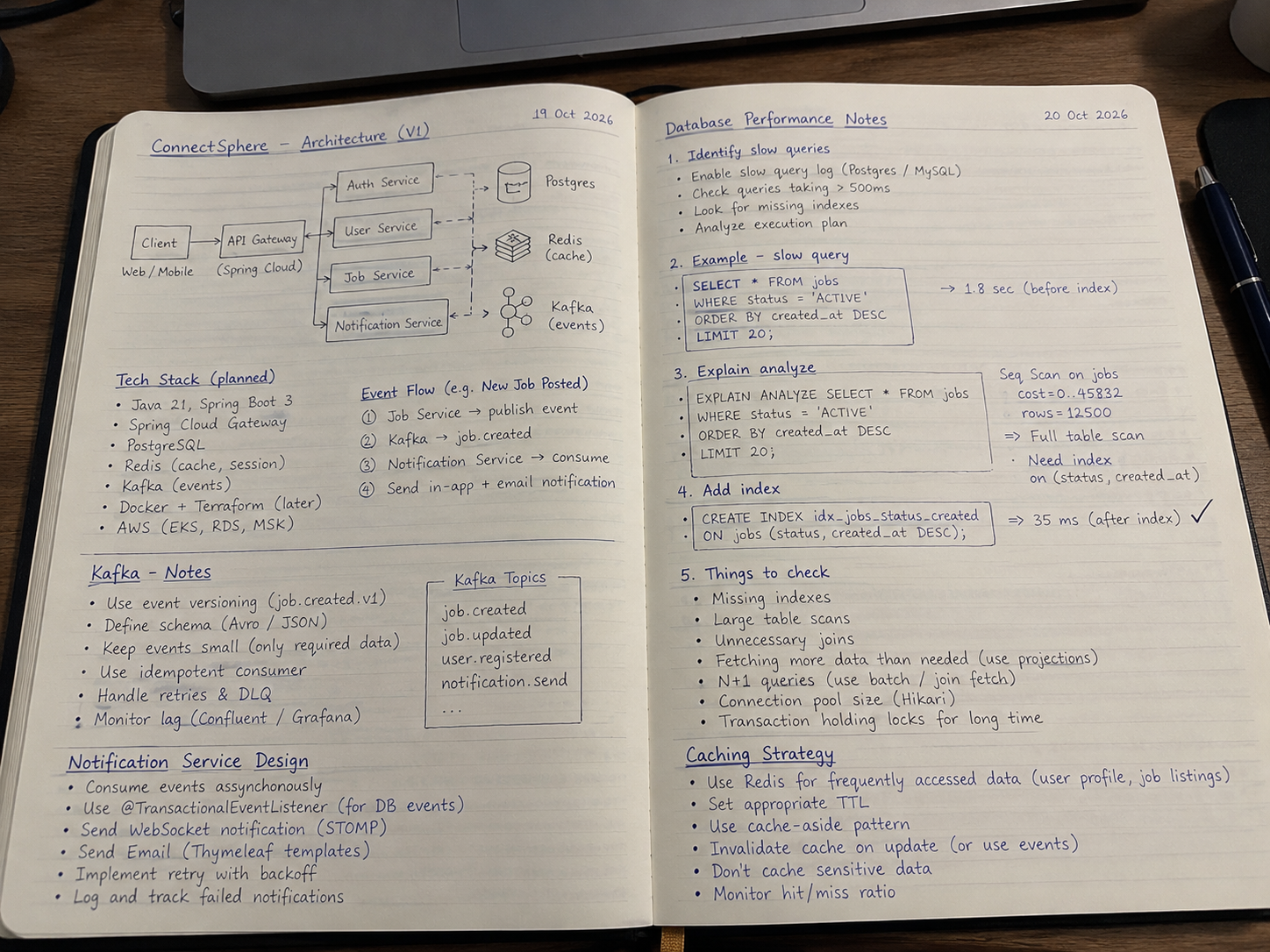
A small backend engineering note I keep coming back to:
Not every performance problem needs Redis.
Not every async workflow needs Kafka.
And not every service needs to become a microservice.
Sometimes, the real problem is much simpler:
An unnecessary database query.
A missing index.
A transaction holding locks for too long.
An API doing more work than it should.
Or a retry mechanism that creates duplicate operations.
Before adding another technology, I try to understand where the actual bottleneck is.
My usual checklist is simple:
Check the logs and metrics.
Inspect the SQL queries and execution plans.
Measure latency before making changes.
Fix the simplest root cause.
Measure again to confirm the improvement.
Good backend engineering isn't about using more tools. It's about making the system reliable, predictable, and easier to maintain.
Still learning, still debugging, and still discovering that the simplest solution is often the hardest one to find.
Data Analyst Mindset: Don't Just Report Numbers, Find the Why!
A sales dashboard shows revenue dropped by 15% this month.
Reporting the decline is easy. Understanding the reason behind it is where real analysis begins.
Here's how I'd investigate:
Check the trend: When did the decline start?
Compare segments: Did a particular product, region, or customer group drive the drop?
Write SQL queries: Use joins, aggregations, and CTEs to identify patterns.
Look for root causes: Check pricing changes, campaign performance, and customer behavior.
Share actionable insights: Recommend what the business can investigate or improve next.
Remember: A dashboard tells you what happened. Good data analysis helps explain why it happened.
I'm continuously improving my SQL, visualization, and analytical thinking skills to turn raw data into meaningful business insights.
Data Analysts: What's your first step when you notice an unexpected change in a business metric?
Reyansh Iyer
Data Engineer | Spark, Airflow, dbt, Snowflake | Pipelines that don't break on Mondays
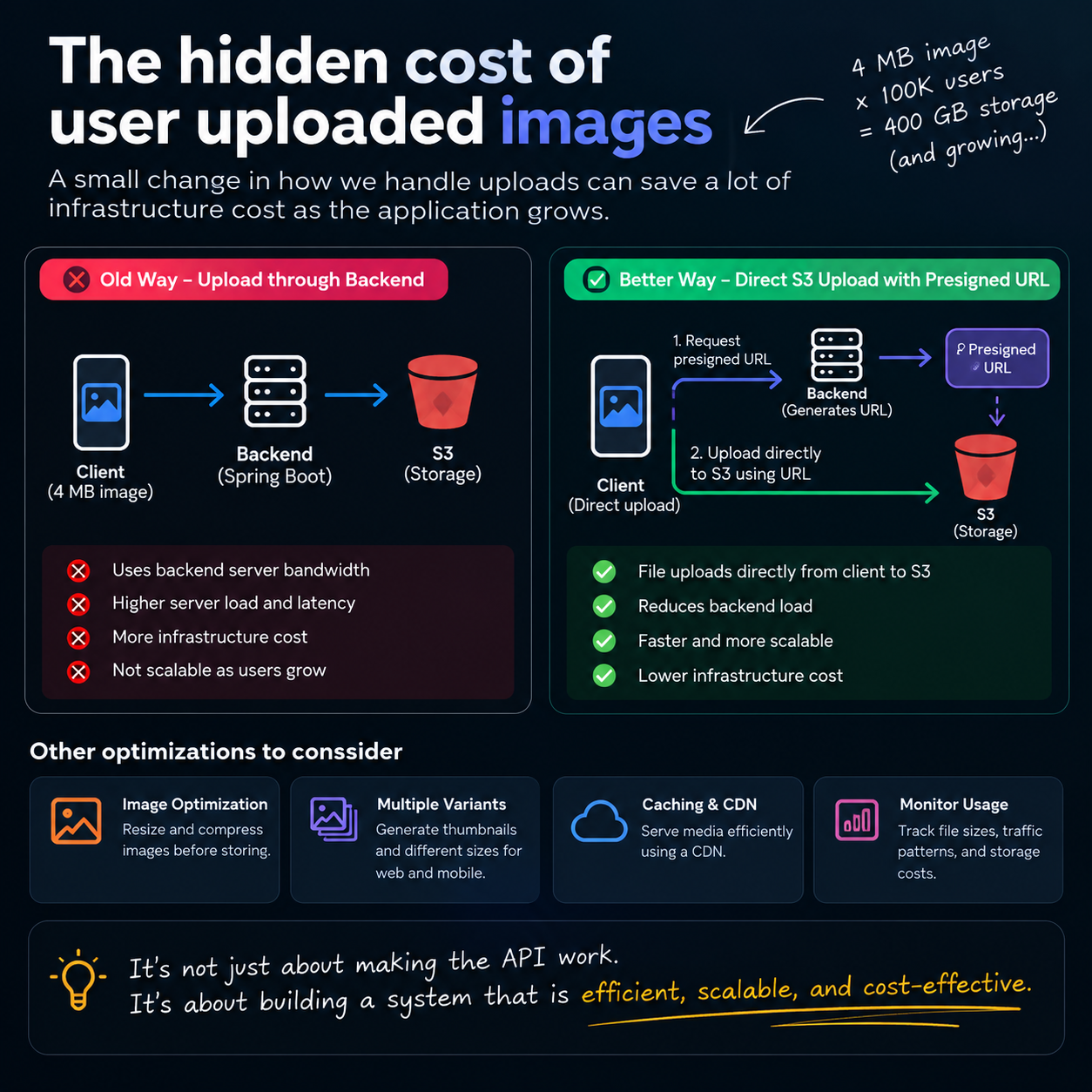
🚀 A small discovery while testing our media management system
When building backend applications, we often focus on API performance, database queries, and business logic.
But there's another factor that can quietly increase infrastructure costs: the size of the files users upload.
Imagine users uploading 4 MB images for every post. As the application grows, so does the storage footprint, bandwidth usage, and image delivery cost.
Here are a few things worth considering:
🔹 Image Optimization: Resize and compress images before storing them.
🔹 Direct S3 Uploads: Use presigned URLs to let clients upload files directly to Amazon S3 instead of routing every byte through the backend.
🔹 Multiple Image Variants: Generate thumbnails and optimized versions for different screen sizes.
🔹 Caching & CDN: Serve frequently accessed media efficiently using a CDN.
🔹 Measure Before Optimizing: Monitor actual file sizes, traffic patterns, and storage costs before choosing a solution.
The interesting part of backend engineering isn't just making an API work. It's making the entire system efficient, scalable, and cost-effective as the number of users grows.
Sometimes, the biggest improvements come from optimizing the things we rarely think about.
💬 What's your approach to handling media uploads in production applications?
Why DevOps Engineers Are Essential in Modern IT!
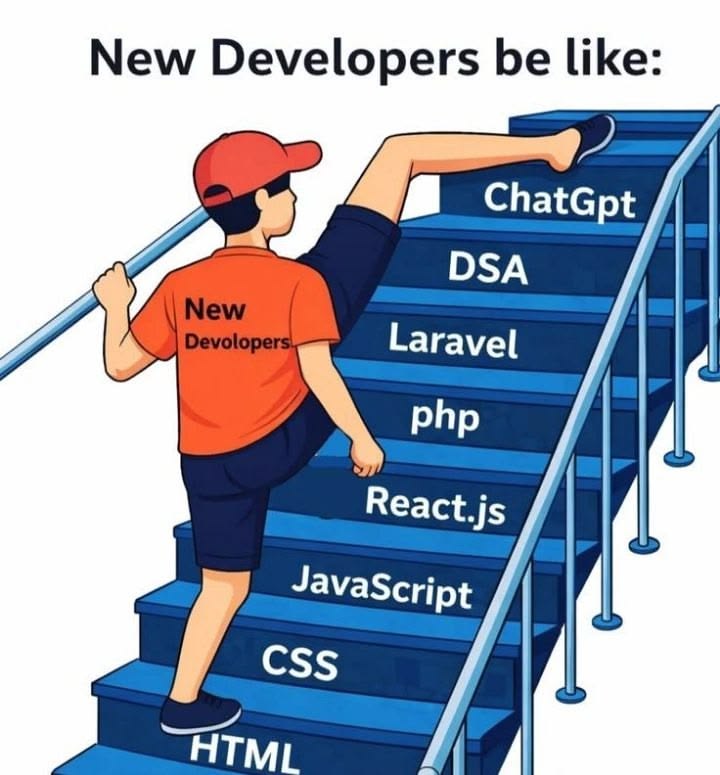
DevOps is more than just deploying code — it's about bringing development and operations together to build, release, and maintain software more efficiently.
Here are 5 key benefits of DevOps engineering:
1. Faster Releases: CI/CD pipelines help teams deliver features and fixes quickly.
2. Better Reliability: Automated testing, monitoring, and rollback strategies reduce deployment risks.
3. Less Manual Work: Infrastructure as Code and automation save time and reduce human errors.
4. Improved Collaboration: Developers and operations teams work together instead of working in silos.
5. Cost Optimization: Smart cloud resource management and Kubernetes right-sizing help control infrastructure costs.
My DevOps philosophy: The best deployment is one that happens smoothly, with clear monitoring and no 2 AM emergency calls!
What's the biggest benefit DevOps has brought to your team — automation, reliability, or faster delivery?
Why Good DevOps Practices Matter!
As a DevOps Engineer, I believe successful deployments aren't just about pushing code to production — they're about making releases reliable, monitoring systems effectively, and reducing unnecessary complexity.
Here are a few practices that make a real difference:
CI/CD Automation: Faster and more consistent deployments with fewer manual errors.
Infrastructure as Code: Manage infrastructure through version-controlled, repeatable configurations.
Monitoring & Observability: Detect issues early with meaningful metrics, logs, and dashboards.
Kubernetes Cost Optimization: Right-size resources and avoid paying for capacity you don't need.
Reliable On-Call Practices: Better alerts and clear runbooks help teams respond to incidents without unnecessary stress.
My favorite DevOps goal? Quiet on-call rotations, CI pipelines under 10 minutes, and dashboards that people actually use.
What's one DevOps improvement that has saved your team the most time?
Kabir Singh
Full Stack Dev | Node.js, React, MongoDB | Travel-tech | Open to backend-heavy roles
A Backend Developer's Daily Routine: “It's a Small Bug!”
Frontend: “The API isn't working!”
Backend: “It works perfectly. Check your code.”
QA: “I found 7 bugs.”
Backend: “That's impossible. I tested it myself.”
Product Manager: “Can we add one small feature before release?”
Backend: “Sure, shouldn't take long.”
Three hours, two database migrations, and 47 console logs later… 💀
🚨 Production: “Something went wrong.”
👨💻 Backend Developer: “But it worked on localhost!”
☕ At this point, coffee isn't a beverage. It's a backend dependency.
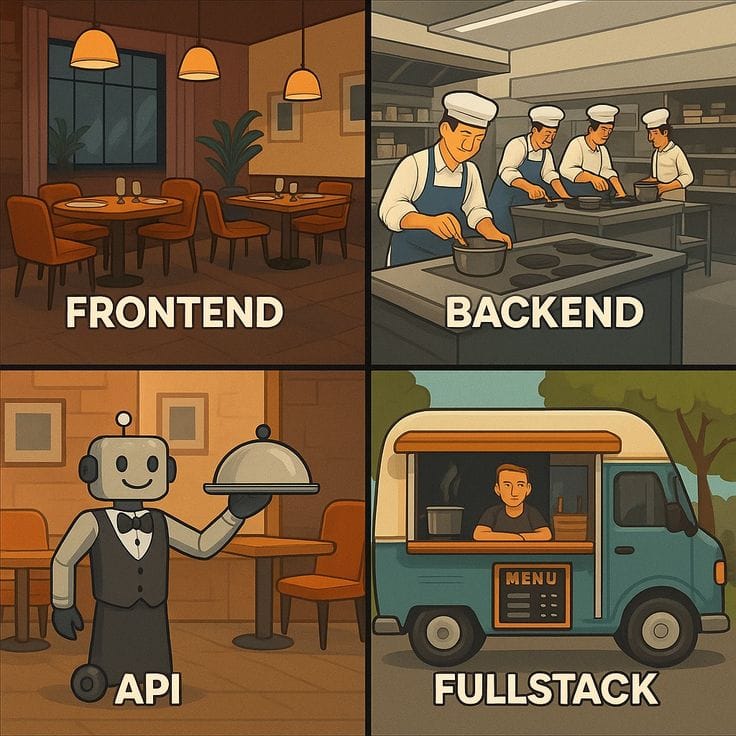
The real full-stack skill? Knowing how to debug the frontend, fix the backend, check the database, and still attend the meeting about why the release is delayed. 😂
Developers, complete this sentence:
“Everything was working fine until ______.” 👇
Kabir Singh
Full Stack Dev | Node.js, React, MongoDB | Travel-tech | Open to backend-heavy roles
Building Booking APIs: The Real Challenge Is Handling Every Edge Case!
A booking API may look simple at first: accept a request, check availability, and confirm the booking.
But what happens when two users try to book the same slot at the same time?
That's where good backend engineering makes a difference.
Here are 5 important things to consider when building reliable booking APIs:
1. Prevent Double Bookings
Use database transactions and appropriate constraints to ensure that two requests cannot reserve the same available resource.
2. Handle Duplicate Requests
Idempotency keys help prevent duplicate bookings when clients retry requests after a timeout.
3. Validate Availability on the Server
Never rely only on what the frontend displays. Check availability again when processing the booking.
4. Design Clear Error Responses
Return meaningful errors for unavailable slots, invalid inputs, and conflicting requests so clients can respond appropriately.
5. Test Concurrent Requests
A booking flow that works for one user may fail when multiple users submit requests simultaneously.
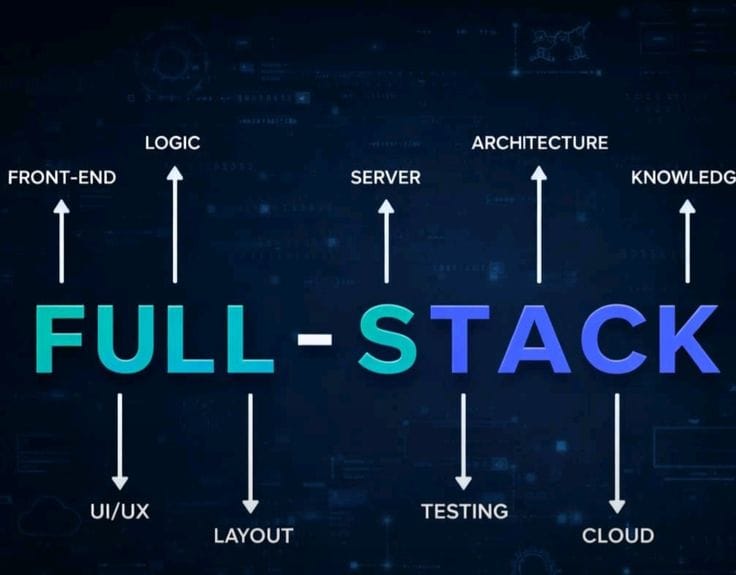
One key lesson: A successful API response isn't enough. The system must protect data consistency, handle retries safely, and behave predictably under load.
I'm also exploring Go and how it can be used to build efficient backend services.
Backend developers: How would you prevent two users from booking the same slot at exactly the same time?
Vivaan Patel
Frontend Engineer | React, Next.js, TypeScript | Obsessed with fast, accessible UIs
Frontend Performance Is More Than Just Fast Loading!
Working on checkout experiences at Kartly has made me realize how much small frontend improvements can impact the user experience.
Here are a few things I always keep in mind as a Frontend Engineer:
React Performance: Avoid unnecessary re-renders and keep components efficient.
CSS & Design Systems: Build consistent, reusable UI components instead of reinventing styles every time.
Checkout Experience: Keep forms simple, validation clear, and the payment flow smooth.
Accessibility: Make sure everyone can use the application easily.
Real-World Testing: A UI that looks perfect locally should also work smoothly across browsers and devices.
Sometimes, removing one unnecessary step from a checkout flow can matter more than adding ten new features.
Question: What's the biggest frontend challenge you've faced while improving performance or user experience?