
workOwonworkOwonA New Way to Connect
HomeFeedJobsCommunitiesEventsFeaturesAbout workOwon

New to workOwon?

  • Post and join conversations
  • Apply to jobs in a few clicks
  • Join communities in your field
Join nowLog in

Popular communities

See all

See what professionals are talking about

Browse public posts from people and communities. Join to react, comment and post.

Log inJoin now

Ishaan Reddy

ML Engineer | LLMs, RAG, Python | Shipping AI features that survive production

Oct 25

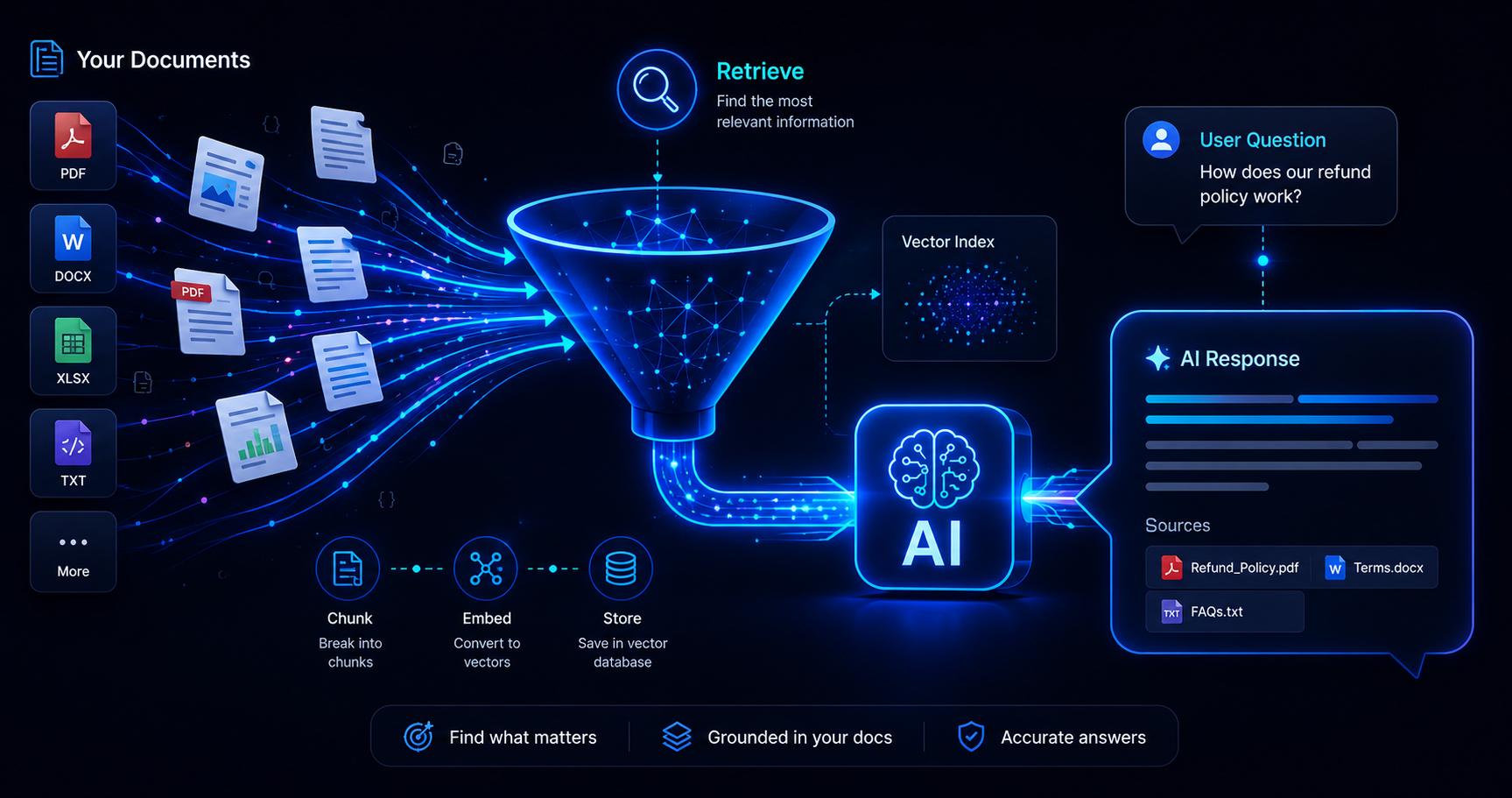
Building an LLM Application Is Easy. Making It Reliable Is the Real Challenge!

Large Language Models can generate impressive answers, but building a production-ready AI application requires much more than connecting an API to a chatbot.

While working with Retrieval-Augmented Generation (RAG), there are several important things to consider:

1. Retrieval Quality Matters
Even a powerful LLM cannot provide a grounded answer if the retriever returns irrelevant documents. Better chunking, embeddings, and ranking can improve results.

2. Evaluate Before You Optimize
Create a representative test dataset and measure retrieval relevance, answer correctness, and faithfulness instead of relying only on a few manual examples.

3. Keep Latency Under Control
Use efficient retrieval, appropriate model selection, streaming, and carefully designed caching to improve response times.

4. Track the Cost Per Request
Long prompts, unnecessary context, and repeated model calls can quickly increase inference costs. Measure token usage and optimize where it matters.

5. Know When Not to Use an LLM
For simple rules, exact lookups, or deterministic calculations, traditional code may be faster, cheaper, and more reliable.

The key lesson: A successful GenAI product isn't measured only by how impressive its demo looks. It must deliver useful, accurate, fast, and cost-effective results consistently.

The real engineering challenge begins when the application meets real users and real-world edge cases.

ML and AI engineers: What's the biggest challenge you've faced in production — retrieval quality, hallucinations, latency, or cost?
#machinelearning#generativeai#llm#rag#artificialintelligence#mlops#aiengineering#llmevaluati
Post image

Aditya Nair

DevOps / SRE | Kubernetes, Terraform, AWS | Making deploys boring since 2019

Oct 25

Kubernetes Pod in CrashLoopBackOff? Don't Just Restart It — Find the Root Cause!

One common challenge in Kubernetes is seeing a pod repeatedly crash and restart. Restarting it might seem like the quickest fix, but understanding why it is failing is what helps prevent the same issue from happening again.

Here’s a simple troubleshooting workflow:

1. Check the Pod Status
Run kubectl get pods to identify pods that are restarting or failing.

2. Inspect Pod Details
Use kubectl describe pod <pod-name> to review events, probe failures, scheduling issues, and other useful clues.

3. Check Container Logs
Run kubectl logs <pod-name> --previous to inspect logs from the previous container instance.

4. Verify Configuration
Check environment variables, ConfigMaps, Secrets, and application configuration for missing or incorrect values.

5. Review Resource Limits
Look for OOMKilled events, memory pressure, and CPU constraints that may affect the application.

Remember: CrashLoopBackOff describes a restart pattern, not the underlying cause. The real issue could be an application crash, configuration error, failed dependency, or resource problem.

Good troubleshooting is about collecting evidence, identifying the root cause, and fixing the problem—not just making the error disappear temporarily.

DevOps engineers: What's the most common cause of pod failures you've encountered in production?

#kubernetes#devops#sre#cloudnative#troubleshooting#containerization#platformengineering

Aarav Sharma

Senior Backend Engineer @ Paylane | Java, Spring Boot, Kafka | Building payment rails that don't wake you up at 3am

Oct 28

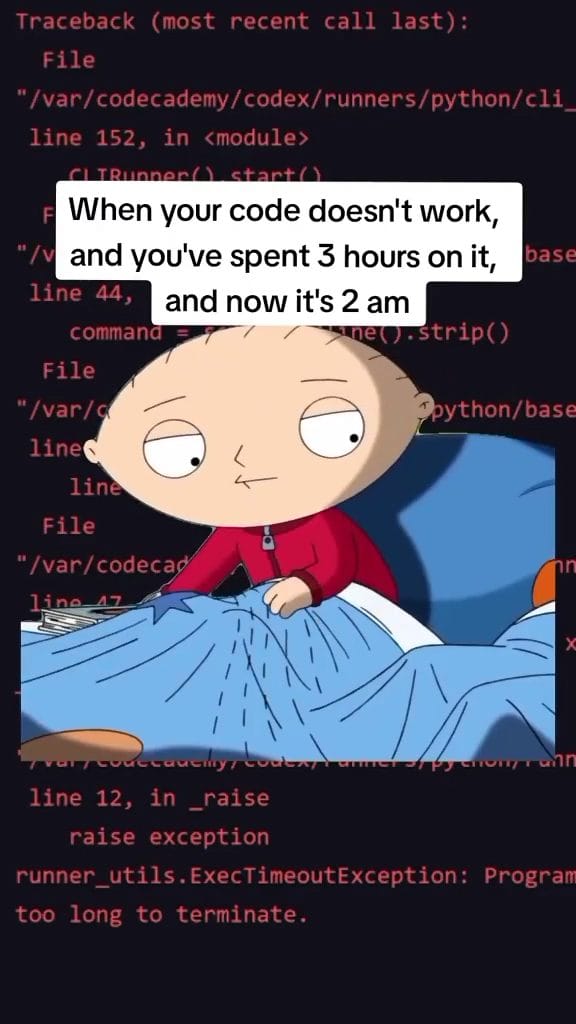
A Backend Engineer’s Daily Standup

Manager: “Is the payment API working?”

Me: “Yes!”

Manager: “Are there any bugs?”

Me: “Not that I know of.”

Production sends a notification: 🚨 500 Internal Server Error

Me: “Okay, now I know of one.” 💀😂

Being a backend engineer means trusting your code… but always keeping your logs open! 🖥️

#backendengineering#techhumor#softwareengineering#debugging#developerslife
Post image 1
1/2

Aarav Sharma

Senior Backend Engineer @ Paylane | Java, Spring Boot, Kafka | Building payment rails that don't wake you up at 3am

Oct 28

Reliable Backend Systems Are Built by Sweat, Not Luck!

After 7 years of building backend systems, one thing I've learned is that good backend engineering isn't just about making APIs work — it's about making them work reliably, even when things go wrong.

Working on payment infrastructure at Paylane has taught me the importance of:

Idempotency — Preventing duplicate transactions when requests are retried.

Observability — Knowing what's happening inside a system before users report a problem.

Clean APIs — Making services easier to understand, maintain, and integrate.

Reliability — Building systems that handle failures gracefully.

Mentorship — Sharing knowledge helps the entire engineering community grow.

My philosophy: Make the system boring in production, even if building it was an exciting challenge!

What's one backend engineering principle you never compromise on?

#backendengineering#systemdesign#apidesign#softwareengineering#java#techcommunity
Post image

Karan Bhatia

Cloud Architect | AWS, Azure, Security | Helping enterprises move to cloud without lighting money on fire

Oct 22

Cloud Migration Is Easy to Start. Building a Secure, Cost-Efficient Cloud Is the Real Challenge!

Moving applications to AWS or Azure is only one part of a successful cloud journey. The real challenge is designing an environment that is secure, scalable, reliable, and cost-effective as business needs grow.

Here are 5 cloud architecture practices every team should consider:

1. Build a Strong Cloud Foundation
Use a well-designed landing zone with separate environments, centralized logging, networking controls, and clear account or subscription boundaries.

2. Apply Least-Privilege Access
Give users and services only the permissions they need. Review access regularly and avoid relying on overly broad administrator permissions.

3. Design for Failure
Use appropriate redundancy, health checks, backups, and recovery plans. High availability is not a substitute for tested disaster recovery.

4. Monitor Cloud Spending
Use budgets, cost alerts, resource tagging, and utilization reports to identify idle resources and unexpected spending.

5. Automate Infrastructure
Infrastructure as Code tools such as Terraform or AWS CloudFormation help teams create consistent, repeatable environments and track changes.

One important lesson: Cloud optimization isn't simply about choosing the cheapest service. It's about finding the right balance between cost, performance, security, and reliability.

A well-architected cloud environment should support business growth without creating unnecessary complexity.

Cloud professionals: What's the most common cloud architecture mistake you've seen teams make?

#cloudarchitecture#aws#microsoftazure#cloudsecurity#cloudcomputing#finops#infrastructureascode#devops
Post image

Riya Agarwal

Engineering Manager @ Paylane | Building teams that ship | Ex-backend engineer

Oct 8

We're hiring backend engineers at Paylane (Java/Spring, payments). Senior and mid-level, Bengaluru hybrid. If you like boring, reliable systems and caring about the on-call person, come talk to me.

Dhruv Joshi

Software Developer | Java, Spring Boot, React | Learning system design one outage at a time

Oct 22

⚙️ What Happens Behind the Scenes When You Hit an API?

We use applications every day, but have you ever wondered what actually happens when you click a button and data appears on your screen?

Behind that simple interaction, several things may happen:

🔹 1. Client Request: The frontend sends an HTTP request to the backend.

🔹 2. API Validation: The server checks the request parameters, authentication, and permissions.

🔹 3. Business Logic: The application processes the request according to the required rules.

🔹 4. Database Interaction: Data may be retrieved, inserted, or updated in the database.

🔹 5. Response Handling: The server returns a response with the appropriate status code and data.

But real-world backend engineering goes beyond making an API work.

We also need to think about:
✅ Error handling and validation
✅ Authentication and authorization
✅ Logging and monitoring
✅ Rate limiting and performance
✅ Reliability under concurrent requests

A well-designed API isn't just functional — it's predictable, secure, and maintainable.

The more I explore backend engineering, the more I realize that understanding what happens behind the scenes makes us better developers.

Question for developers: What's one thing you always consider when designing a production-ready API?

#backenddevelopment#apis#systemdesign#softwareengineering#restapi#webdevelopment#techlearning
Post image

Rohan Malhotra

Staff Engineer @ Orbitly | Distributed systems, Go, Postgres | Writing about architecture tradeoffs

Oct 23

A developer’s definition of high availability:

Me: “We need to make sure the system never goes down.”

Senior Engineer: “Great. What happens if the database goes down?”

Me: “We have a replica.”

Senior Engineer: “What if the replica goes down?”

Me: “We have a backup.”

Senior Engineer: “What if the backup fails?”

Me: “I’ll fix it.”

Senior Engineer: “And what if YOU go down?”

Me: “Deploy another developer.” 💀😂

Lesson learned: Even your disaster recovery plan needs a disaster recovery plan.

#softwareengineering#systemdesign#developerlife#techhumor

Aarav Sharma

Senior Backend Engineer @ Paylane | Java, Spring Boot, Kafka | Building payment rails that don't wake you up at 3am

Oct 29

Clean Code Is Good. Reliable Systems Are Better.

As backend engineers, it’s easy to focus on delivering features quickly. But building software that performs consistently in production requires thinking beyond the happy path.

Over the years, I’ve learned a few important lessons:

Design for failure: Every external dependency can fail. Plan for retries, timeouts, and graceful recovery.

Keep it simple: Simple, maintainable solutions often outperform unnecessarily complex architectures.

Monitor what matters: Good logging, metrics, and tracing help identify issues before they become major problems.

Think about the long term: Code isn’t finished when it works. It’s finished when it’s understandable, testable, and maintainable.

For me, great backend engineering is about making the right trade-offs between performance, reliability, and simplicity.

Always learning, always improving, and always looking for better ways to build.

What’s the biggest lesson production experience has taught you as a software engineer? Let’s discuss!

#backenddevelopment#softwareengineering#systemdesign#java#springboot#cleancode#techcommunity

Aarav Sharma

Senior Backend Engineer @ Paylane | Java, Spring Boot, Kafka | Building payment rails that don't wake you up at 3am

Oct 29

Building Backend Systems That Just Work

After 7 years of building backend systems, I’ve learned that great engineering isn’t just about writing code — it’s about building systems that are reliable, scalable, and easy to maintain.

Working on payment infrastructure has reinforced the importance of:

Reliability: Designing systems that handle failures gracefully.
Idempotency: Making payment operations safe and predictable.
Observability: Building systems that are easy to monitor, debug, and improve.
Clean APIs: Creating interfaces that make life easier for developers.

I’m also a strong believer in sharing knowledge, learning from the engineering community, and mentoring fellow developers.

The best backend systems are often the ones users never have to think about — because everything simply works.

What’s one backend engineering principle you believe every developer should master?

Let’s connect and share ideas!

#backendengineering#softwareengineering#java#springboot#paymentsystems#systemdesign#developercommunity
Newer postsOlder posts

Featured jobs

See all

Popular communities

See all